

From Doorsteps to Diagnostics: District Immunization Officer Dr. Pranjal Upadhyay’s SAMPANN Initiative Revolutionizes Antenatal Care in Tribal Bhimpur
Betul (Madhya Pradesh) [India], July 16: To improve access to quality antenatal diagnostic services for pregnant women living in the remote tribal villages of Bhimpur Block, Dr. Pranjal Upadhyay, District Immunization Officer (DIO), Betul, has conceptualized and is leading the implementation of SAMPANN (System for ANC Monitoring and Profiling at Nearby Nodal Network).
Bhimpur Block, one of Betul district’s most geographically challenging tribal areas, comprises scattered hamlets, dense forests, and several hard-to-reach villages. Many pregnant women face significant barriers in accessing routine laboratory investigations due to long travel distances, poor road connectivity, and seasonal inaccessibility.
Recognizing these challenges, Dr. Upadhyay designed SAMPANN around a simple guiding principle:
“If a pregnant woman cannot reach the health facility, the health system will reach her.”
Under the initiative, frontline health workers collect blood samples during Village Health and Nutrition Days (VHNDs) as well as through door-to-door household visits, ensuring that every pregnant woman is covered, including those living in the most remote and underserved settlements.
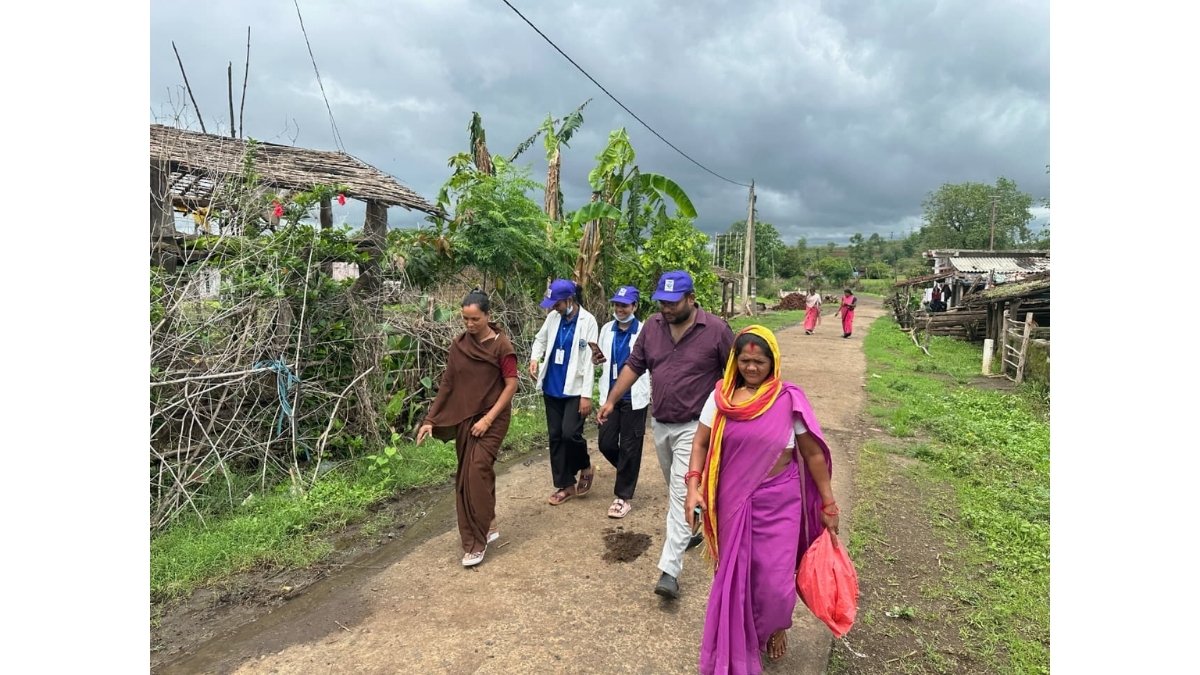
To make diagnostic services accessible, three sector-based Pop-Up Laboratories have been established across Bhimpur Block. Blood samples collected from villages are transported under strict cold-chain conditions to these Pop-Up Laboratories, where they are received, verified, and processed before laboratory investigations are completed through the designated Community Health Centre laboratory network.
The initiative provides comprehensive antenatal investigations, including Complete Blood Count (CBC), sickle cell screening, blood grouping. Test reports are shared digitally with ANMs and healthcare providers, enabling rapid identification of severe anemia and other high-risk pregnancies. Women requiring specialized care are promptly initiated on treatment, referred to higher health facilities when necessary, supported with blood arrangements, and provided individualized birth planning.
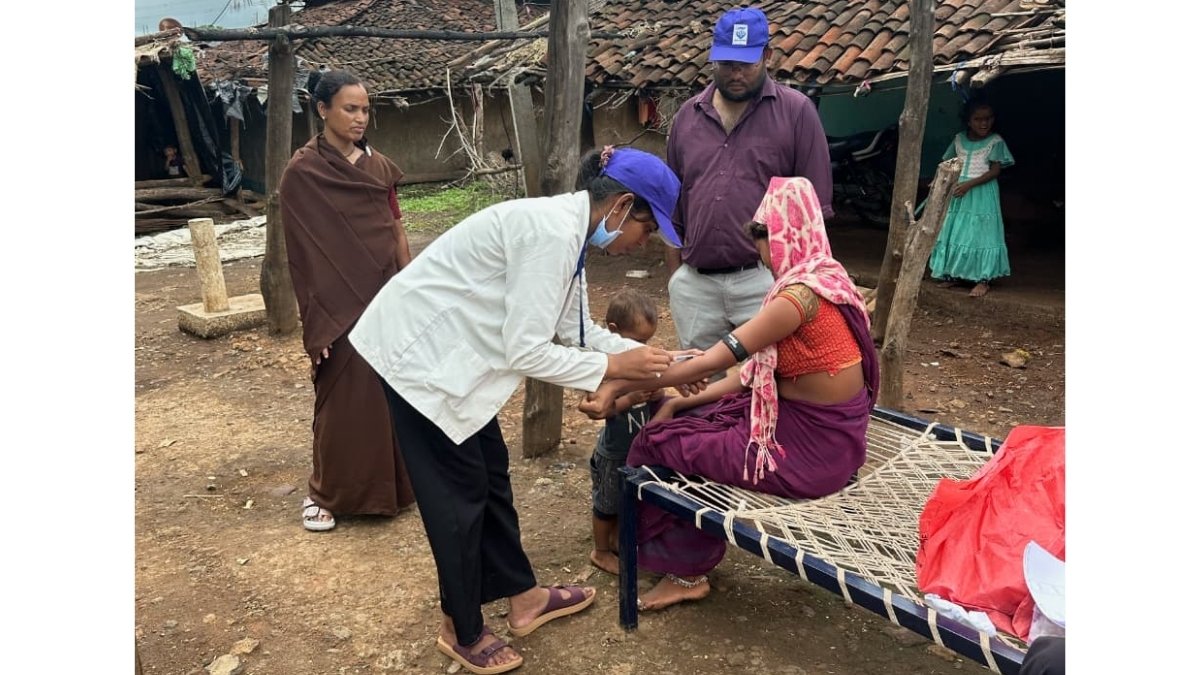
Speaking about the initiative, Dr. Pranjal Upadhyay said:
“Every pregnancy deserves timely diagnosis, regardless of where a woman lives. Distance, geography, or lack of transportation should never become barriers to quality maternal healthcare. Through SAMPANN, we have attempted to redesign the service delivery model by taking diagnostics to the doorstep of pregnant women and creating a decentralized laboratory network that ensures early detection, timely treatment, and safer pregnancies.”
SAMPANN demonstrates how innovation, community outreach, decentralized laboratory services, digital reporting, and coordinated follow-up can strengthen maternal healthcare delivery in geographically difficult tribal regions. The model is expected to improve early detection of high-risk pregnancies, reduce delays in treatment, and contribute to better maternal and neonatal outcomes, while serving as a scalable model for other remote and underserved areas.
If you object to the content of this press release, please notify us at [email protected]. We will respond and rectify the situation within 24 hours.