
Quality, Compliance, and Scale: How Qoot Solves the Biggest Challenges of New-Age Food Brands
Alwar (Rajasthan) [India], January 23: India’s food industry has changed rapidly in the last decade. New-age food brands are entering the market with sharper consumer insight, better positioning, and a strong focus on health, transparency, and taste. While brand ideas have evolved quickly, manufacturing remains the toughest part of the journey. Many promising food brands struggle not because of weak demand, but because they underestimate how difficult it is to scale production while maintaining quality and compliance. This gap between ambition and execution is where Qoot operates. At Qoot Food Limited, the focus has always been on solving manufacturing problems before they become brand failures. Quality, compliance, and scale are not treated as separate goals. They are built together through systems, discipline, and long-term thinking.
Why Manufacturing Is the Real Bottleneck for New-Age Food Brands
Most new food brands begin with a clear product vision. The challenges start once volumes grow and distribution expands. Consistency becomes harder to manage. Shelf life issues appear. Regulatory requirements increase as brands enter organised retail or explore exports.
In food manufacturing, small process deviations lead to visible outcomes. Changes in temperature, moisture, ingredient handling, or hygiene standards can directly impact taste, safety, and stability. For health-focused products, the margin for error is even smaller. New-age brands often discover that outsourced or fragmented manufacturing setups are unable to support sustained growth. Qoot was built to address these exact challenges. The manufacturing philosophy focuses on stability before speed, and repeatability before expansion. This approach helps brands avoid the common trap of scaling too fast without a solid manufacturing backbone.
Building Quality as a System, Not an Outcome
Quality in food manufacturing is not achieved at the final inspection stage. It is designed into every step of the process. At Qoot, quality begins with raw material selection, controlled storage, and traceable procurement. Ingredients such as flours, grains, and proteins are handled through defined protocols that reduce contamination risks and variability.
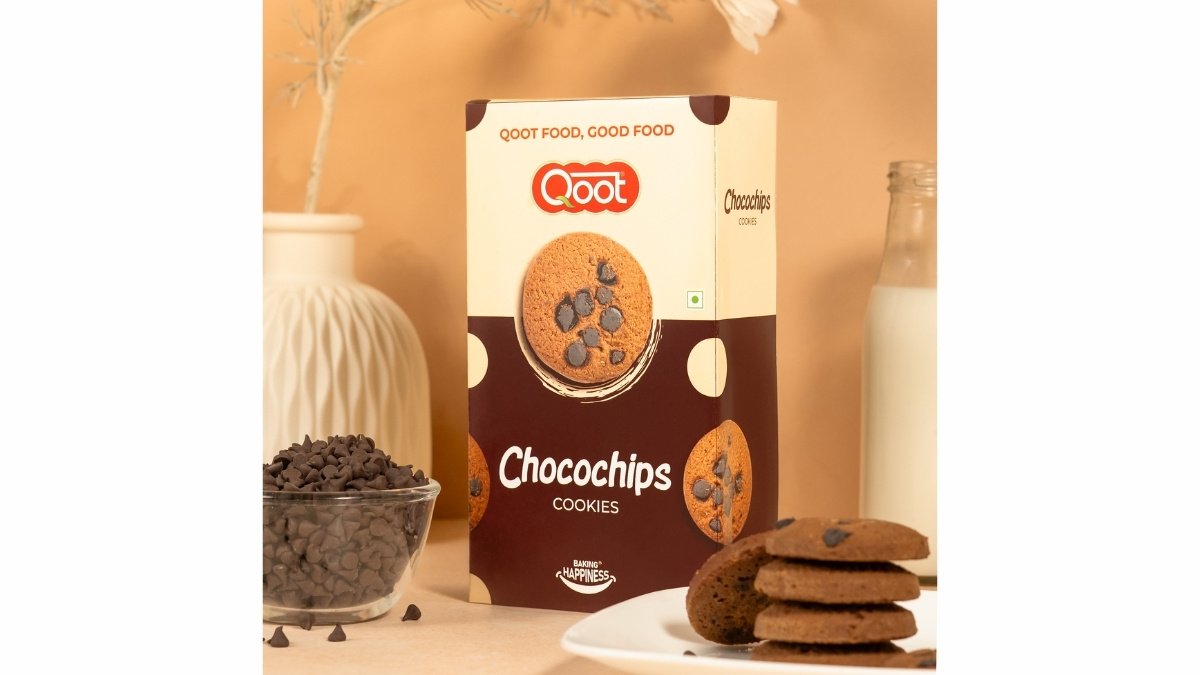
Production processes are structured to maintain consistency across batches. Whether manufacturing bakery cookies, healthier variants such as gluten-free or sugar-free cookies, or baked puff snacks made from millet, chickpea, multigrain, or quinoa, process controls remain non-negotiable. Equipment settings, baking profiles, and handling procedures are standardised to reduce dependency on manual intervention.
This system-led approach helps ensure that a product made today will match the product made six months later, even as volumes increase. For brands, this consistency protects consumer trust and reduces operational firefighting.
Compliance as a Daily Practice, Not a Certificate
Many food businesses treat compliance as a formality. Certifications are obtained, but daily operations do not always reflect the standards those certificates represent. This disconnect creates long-term risk for brands.
Qoot operates with ISO 22000 Food Safety Management System certification, US FDA registration, and ZED Gold certification under the MSME Sustainable ZED Scheme. These frameworks shape day-to-day practices rather than exist only for audits. Hygiene zoning, documentation, batch traceability, and internal checks are part of regular operations. For new-age brands, this approach removes a major burden. As regulatory scrutiny increases and retailers demand stronger compliance assurance, having a manufacturing partner that already operates at these standards becomes critical. Brands can focus on growth and market strategy without constantly addressing compliance gaps.
Scaling Without Losing Control
Scaling food manufacturing is not simply a matter of increasing output. As volumes rise, systems are tested. Weak processes break under pressure. Many brands face quality issues when they move from pilot runs to commercial volumes.
Qoot approaches scale through planning rather than reaction. Capacity growth is supported by workflow design, production scheduling, and clear accountability within the facility. Volume increases are introduced without changing core processes, which reduces risk. This makes Qoot a suitable partner for brands expanding across regions, entering ecommerce and quick-commerce platforms, or building private label portfolios. Scale is treated as an extension of process discipline, not a reason to compromise it.
Supporting Innovation With Manufacturing Reality
Innovation is central to new-age food brands, but innovation without manufacturing feasibility often leads to failure. Health-focused products, in particular, require careful formulation. Removing sugar, palm oil, or artificial preservatives affects texture, shelf life, and consumer experience.
Qoot supports brands by integrating product development with manufacturing capability. Formulations are evaluated not only for taste but also for their ability to perform consistently at scale. Packaging compatibility, moisture behaviour, and stability are considered early in the process. This reduces post-launch issues and helps brands bring products to market that are both differentiated and reliable. Innovation works best when it is grounded in manufacturing reality.
Clean Label Demands Stronger Discipline
Clean label products raise expectations across the supply chain. Ingredient integrity, cross-contamination prevention, and controlled processing are essential. Claims mean little if manufacturing systems cannot support them.
Qoot has aligned its operations to meet clean label requirements through disciplined sourcing, segregation practices, and controlled production lines. These measures are especially important for brands positioning themselves around transparency and health. Clean label manufacturing cannot rely on shortcuts. It requires deeper operational control, which Qoot has built over time rather than as a response to market trends.
Learning From Both B2B and Consumer Brands
Qoot’s experience spans both consumer-facing brands and B2B manufacturing partnerships. This dual exposure provides insight into where brands often fail and where systems need strengthening. Working with multiple brands across categories highlights common issues related to scale, compliance, and execution. These learnings are applied across operations to continuously improve processes. It also helps Qoot guide newer brands away from decisions that may look attractive in the short term but create long-term manufacturing risk.
Manufacturing as a Long-Term Partnership
Successful food brands rarely grow in isolation. They rely on partners who understand that manufacturing decisions have long-term consequences. Qoot positions itself as a manufacturing partner rather than just a production vendor. This partnership model is built on transparency, realistic planning, and shared accountability. Brands are supported through growth phases, not pushed toward unsustainable volume targets. Over time, this approach leads to fewer disruptions and stronger market presence.
Looking Ahead
India’s food industry will continue to attract new brands, especially in healthier and functional categories. As competition increases, manufacturing quality and compliance will become key differentiators rather than background requirements. Qoot’s focus remains on strengthening systems that support safe, consistent, and scalable production. Quality, compliance, and scale are not trade-offs. When built correctly, they reinforce each other.
Conclusion
New-age food brands face real manufacturing challenges as they grow. Inconsistent quality, compliance gaps, and poorly planned scale can quickly erase early success. Qoot addresses these challenges through system-led quality, embedded compliance, and controlled scaling. By treating manufacturing as the foundation of brand credibility rather than a backend function, Qoot helps new-age food brands build products that last. Growth in food is earned through discipline, not shortcuts. That belief continues to guide how Qoot works with brands that want to scale responsibly in a demanding market.
If you object to the content of this press release, please notify us at pr.error.rectification@gmail.com. We will respond and rectify the situation within 24 hours.